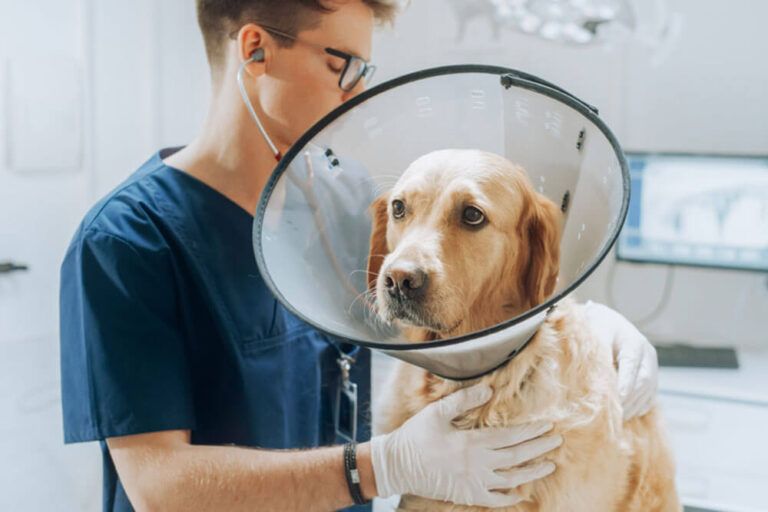
South Loop Animal Hospital (SLAH) has been serving Chicago’s south loop and lakeshore communities since 2009. We’ve grown since then, but our humble mission is the same. Our veterinarians and staff believe each pet deserves exceptional veterinary care—and that you play an integral role in your pet’s health care, too. A well-informed owner is a strong proponent of preventive care, so we not only treat your pet but educate you, too.
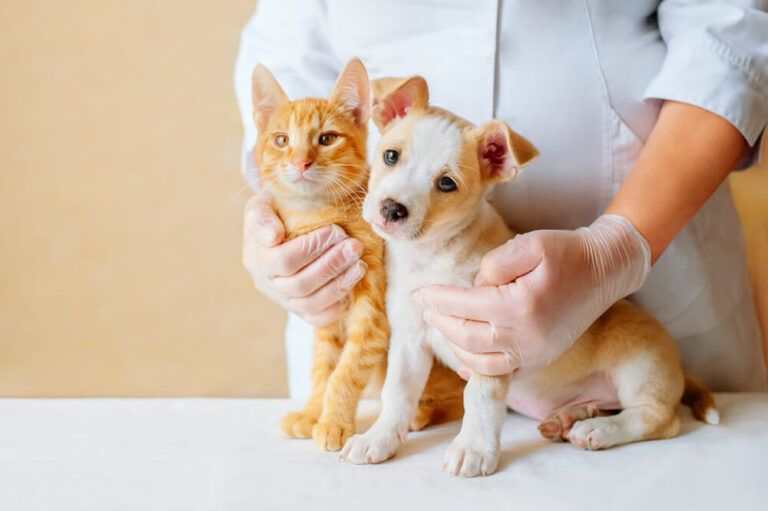
We understand that your pets are more than just animals—they are cherished members of your family. Our dedicated team of experienced veterinarians and staff is committed to providing the highest standard of care to ensure the health and well-being of your furry companions. With state-of-the-art facilities and a compassionate approach, we offer comprehensive veterinary services tailored to meet the unique needs of each pet. Trust us to deliver the best care for your best friends, ensuring they lead happy and healthy lives.
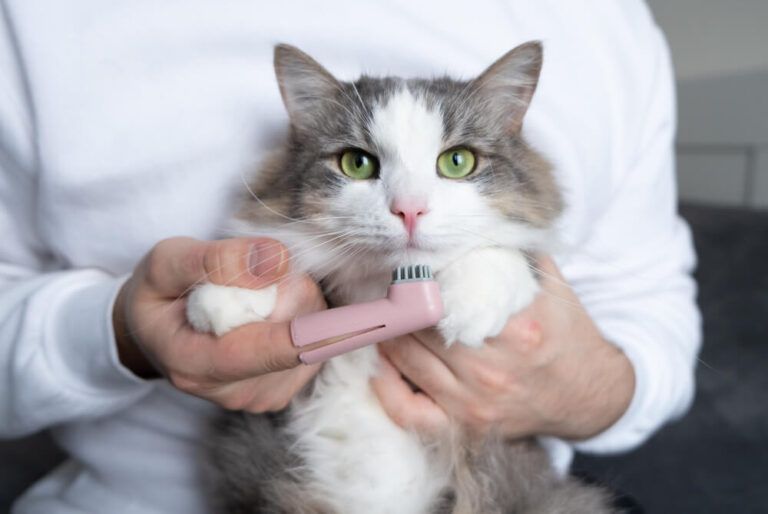
At South Loop Animal Hospital, our team has a special compassion for cats. As a certified Cat Friendly Practice, we are dedicated to creating a stress-free and comfortable environment for your feline companions. Our cat-friendly exam rooms are designed specifically for their needs, and our staff is expertly trained in gentle cat handling and behavior. With thoughtful touches to make your cat feel at home, we ensure a positive and calm experience for both you and your pet.
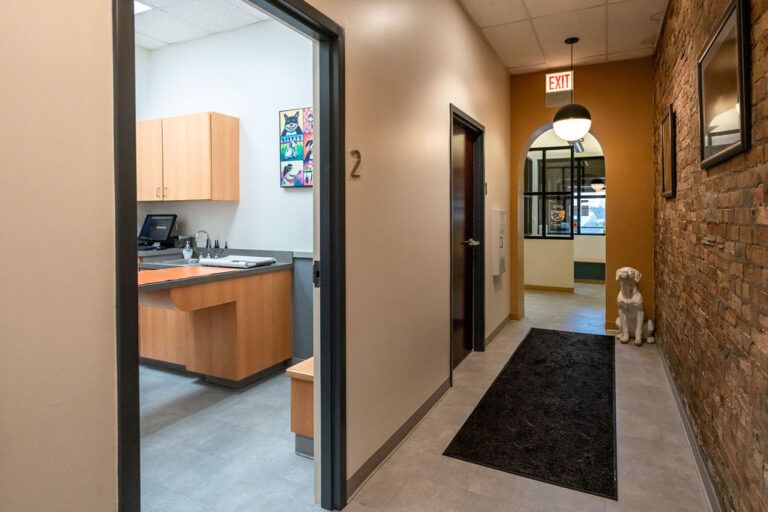
Our modern, high-tech, AAHA-accredited animal hospital is the perfect pet health haven in this urban jungle. Our highly-trained veterinarians and compassionate staff specialize in providing high-quality care. We offer a range of veterinary medical services at our animal hospital. No matter what your pet’s ailment, we are a team trained to address any need, all in a compassionate welcoming atmosphere.